A QMS built for
ISO 13485 & the FDA.
Total Lean Management gives medical-device companies a complete quality system aligned to ISO 13485, the FDA’s new QMSR, and eSTAR 510(k) submissions — with native design control, DHF/DMR/RMF/HFE document management, risk management to ISO 14971, and the tooling to assemble the submission itself. And because every customer runs on their own server, you control your own validated state. Deep enough for the FDA, flexible enough to fit exactly how your team works.
ISO 13485 · FDA QMSR · eSTAR 510(k) · design control · DHF
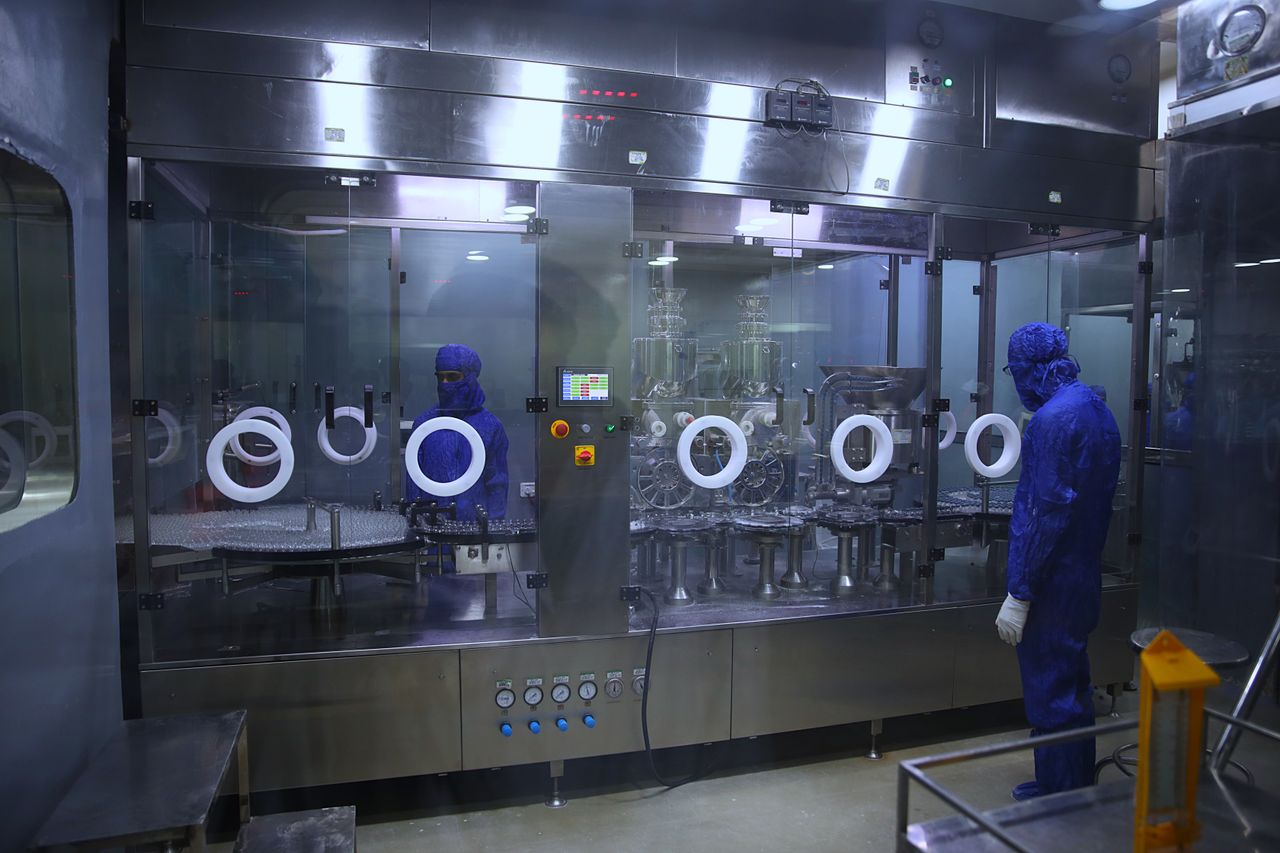
ISO 13485, FDA QMSR, and eSTAR — covered.
The FDA’s Quality Management System Regulation (QMSR) now adopts ISO 13485, and eSTAR is mandatory for 510(k) and De Novo submissions. If you’re re-mapping your QMS anyway, do it on a system that already speaks all three — and to 21 CFR Part 11 and ISO 14971 besides.
Design control that’s native — not bolted on.
DHF / DMR / RMF / HFE, built in
TLM classifies which controlled documents are your Design History File, Device Master Record, Risk Management File, and Human Factors — natively, on the record. TLM already knows which docs are your DHF.
Inputs → outputs → V&V
Trace design inputs to outputs and to the verification and validation that prove them — an Input→Output→V&V→Risk traceability matrix you can hand an auditor.
Risk management (ISO 14971)
A risk file plus design and process FMEA, so hazards are analyzed, mitigated, and traceable back to the design that addresses them.
Control plans
Control plans tie the characteristics that matter to the checks that hold them — connected to the parts and processes they govern.
510(k) / eSTAR assembly
Organize documents to the eSTAR sections and assemble a bookmarked eCopy submission package in one click — not a two-week scramble before you file.
The DHF assembles itself
As documents release through change control, your DHF stays current — so at submission it’s already built, not rebuilt from scratch.
Every clause of ISO 13485 — one connected system.
Design control is the medical-device edge; the rest of ISO 13485 is the foundation. TLM covers it end to end — and it all shares one database, so a complaint links to a CAPA, a CAPA to a change, a change to training, and every record to your audit.
ISO 13485 asks you to validate your QMS software. Staying validated is the hard part.
ISO 13485 §4.1.6 requires you to validate the software in your quality system. Validating once is straightforward; staying validated when the software changes is where teams struggle — and where TLM is built to help.
Risk-based — test what changed
A Computer Software Assurance (CSA) approach: validate in proportion to risk, focused on what actually changed — not everything, every time.
Validation Katas
TLM proposes a concise, whole-workflow test for exactly what changed since your last validated version — you confirm it, run it, and sign. Guided, not a generic script.
Your own server
Every customer runs TLM single-tenant, on its own server — not comingled into one shared application — so a change reaches you only when you take it.
You control your updates
Once you’re validated, you decide when an update applies. Your validated state stays yours — not re-validated on a vendor’s release schedule.
TLM runs circles around one-size-fits-all competitors because our design follows one philosophy: the customer’s needs come first — not the vendor’s convenience.
Audit-ready, in plain English.
Ask Claude to review a controlled document against ISO 13485 or your standards, find the exact record an auditor asks for, or summarize what a design change touches — grounded in your controlled documents, with a link to the source. The audit prep that took a week, in a sentence.
Rated 4.8 by real users.
Independently reviewed on the platforms quality teams actually use to choose their software.

From zero to ISO 13485 — faster than you think.
Our fastest medical-device customer went from zero to ISO 13485 registration in 8 weeks on TLM. In a 20-minute demo we’ll show you design control, the DHF, and a 510(k) package coming together — around your device.
Request a Demo →One of our friendly account reps will be assigned to your account and can walk you through it · No credit card